A transmitter and receiver using microbits to alarm park rangers if there is a danger to wild animals.
A transmitter and receiver using microbits to alarm park rangers if there is a danger to wild animals.
A system for organizing and managing electrical cables from generators to improve safety and aesthetics in residential areas.
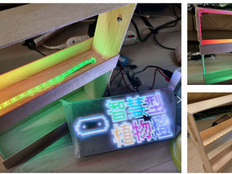
A micro:bit-powered lighting system that optimizes plant health by simulating natural sunlight cycles through automated color temperature adjustments.
A mini weather station that monitors the temperature and humidity of the environment.
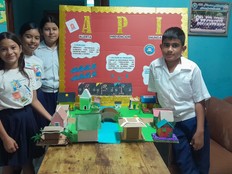
This project sends an alarm when there is a flood risk.
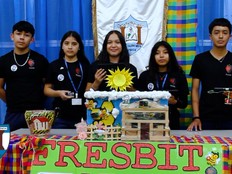
System to control humidity, light-temperature, and pollination factors in strawberry production with Lenca producers using community greenhouses.
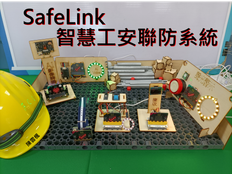
SafeLink: An AI-driven, Micro:bit integrated smart safety system for real-time construction site protection.
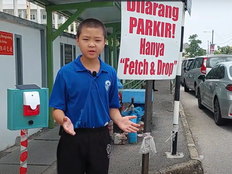
The Park Guard uses micro:bit to and ultrasonic sensors to monitor parking areas and alert authorities to unauthorized parking to increase public safety.

A micro:bit project that measures several mangrove health metrics to preserve the mangroves.
A game to improve student engagement with science.
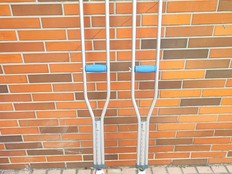
This project utilizes the micro:bit to detect and alert the crutch user to obstacles.
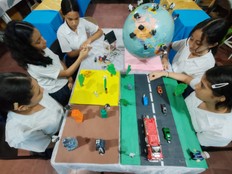
This project uses a micro:bit to monitor air quality.
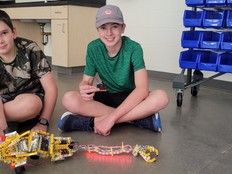
This car is coded to open and close to pick up items while driving and it even lights up to help in the dark to travel through tough environments like mountains and rocky areas.
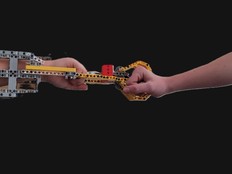
Students designed and built a robotic arm powered by a micro:bit.
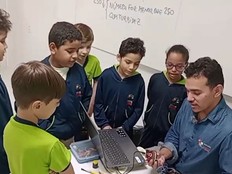
Water quality test using the micro:bit
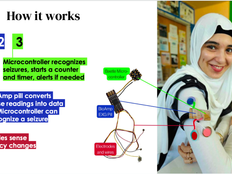
The BioBade is a wearable device designed to detect and track seizures in real-time, with the goal of improving both safety and long-term care for people living with epilepsy. Inspired by a classmate’s lived experience, the team focused on creating a solution that empowers individuals and families with greater insight and peace of mind.
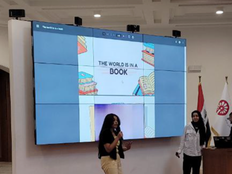
A game integrating reading with interactive elements and rewards to enhance reading experience.
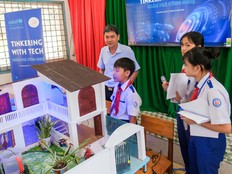
Automated lighting, fan, and watering system
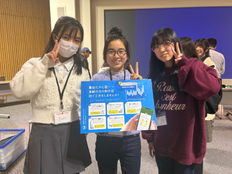
Beat the Heat is an AI-powered app that helps prevent heat stroke through a Cool Spot Navigator and a Heat Acclimation Support System using micro:bit to guide and track daily exercises.
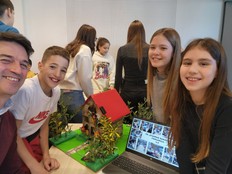
This project uses micro:bits to detect soil moisture and automatically activate irrigation preventing the spread of fire during dry periods.
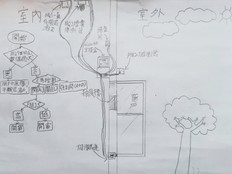
An automated air quality management system designed to actively protect human health from indoor and outdoor pollutants.
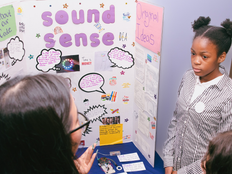
Sound Sense is a stylish, sound-triggered wristband that vibrates and flashes lights to alert hearing-impaired individuals of nearby sounds. Designed for safety when cochlear implants aren't worn, the device helps users stay aware of their surroundings in a fun and functional way.
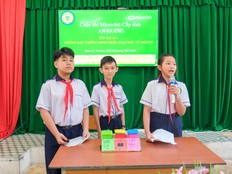
Sort from the start, gain big benefits!
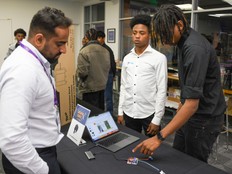
A smart soil moisture sensor designed to conserve water by detecting optimal moisture levels for different types of plants like grass, trees, fruits, and vegetables—and automatically shutting off sprinklers when no more water is needed. Winner of Demo Day LA’s Niagara Cares Sustainability Award!
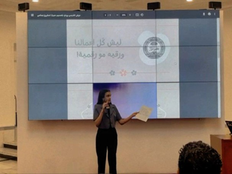
Digital record of student information to improve accuracy and accessibility.
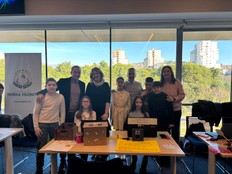
This project created a recycling machine and organic waste depositing bin.
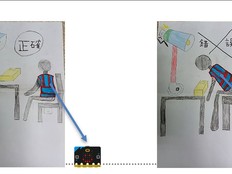
This project encourages healthy posture by adjusting the light level when poor posture is detected.
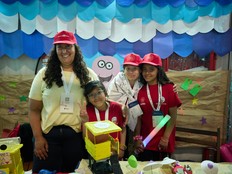
This project aims to increase accessibility and safety for people with blindness or low vision, using micro:bit boards to provide real-time updates on beach conditions via sound alerts.
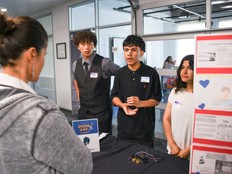
A wearable device that detects abnormal heartbeats and provides real-time support to help users regulate their breathing and prevent hyperventilation. Designed to support mental health, the watch flashes alerts and offers calming solutions to guide users through panic attacks, anxiety, and daily stress.
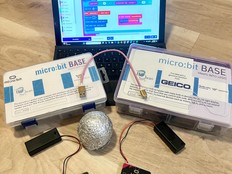
MeteoroScope is a kid-friendly meteorite detection device that uses vibration, sound, and motion sensors to identify possible meteorite impacts. It sends instant alerts to scientists, helping space explorers detect and learn about meteorites from their surroundings.
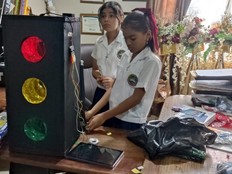
A micro:bit project that encourages responsible water usage.
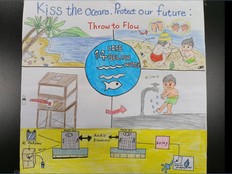
This project utilizes a micro:bit to sort garbage found on beaches.
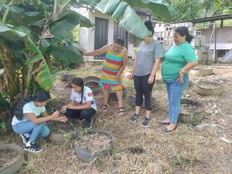
Caring for our crops is caring for our village. With this project, we get closer to that goal.
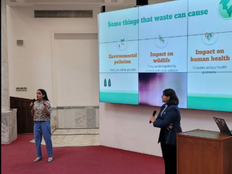
A project that uses AI to classify recyclable materials, improving recycling efficiency and reducing environmental impact.
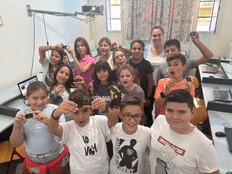
This project is a micro:bit game that teaches the importance of keeping the sea clean.
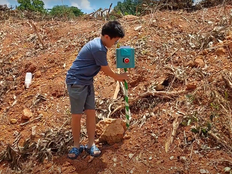
This project uses the micro:bit to for wildfire and landslide detection.
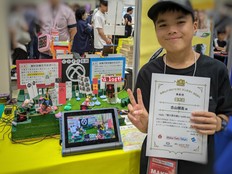
A diorama of the famous Battle of Sekigahara animated with micro:bits.
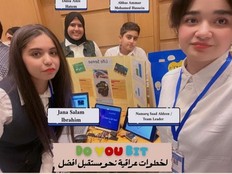
LifeSense: An innovative system using modern technology to monitor vital signs in real-time, promoting health awareness and early assistance.
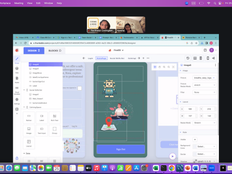
An AI app + micro:bit project for teens with social anxiety that uses micro:bit to detect stress and overstimulation and remind users to calm down. It also features a chatbot to learn social skills.
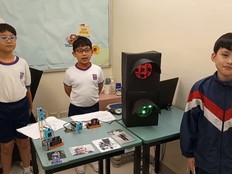
A smart traffic light project built with the micro:bit to increase safe crossing times for individuals with disabilities.
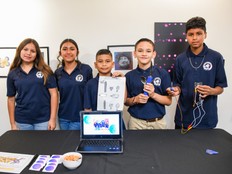
A stabilizing utensil device designed to support individuals with Parkinson’s-related tremors by using gentle vibrations to steady hand movements. With interchangeable parts for different utensils, it empowers users to eat independently and with greater confidence.
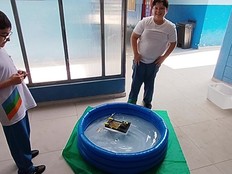
An Ocean Cleaner to solve environmental problems.
Created in collaboration with their Community Partner, Ms. Jean, the Utensil Gadget is a stabilizing utensil device designed to support individuals with Parkinson’s-related tremors by using gentle vibrations to steady hand movements. With interchangeable parts for different utensils, it empowers users to eat independently and with greater confidence.
A project driven to combat pollution, focusing on an essential issue: waste sorting.
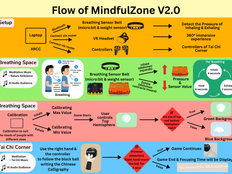
Using latest technology aims to support students with attention deficit hyperactivity disorder (ADHD)
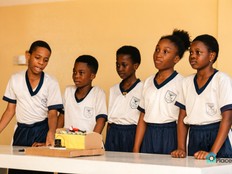
This project uses a micro:bit to detect a possible earthquake.
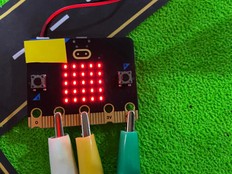
A flood warning system using the micro:bit
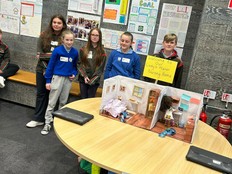
This project creates a fall sensor using two micro:bits.
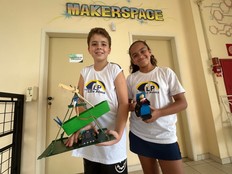
This project utilizes a micro:bit to automate a swinging motion on an accesible swing.
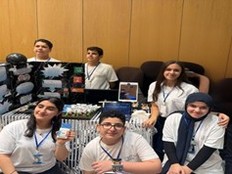
Using AI, Micro:bit, and sensors to provide companionship and support for the elderly, addressing their need for a permanent companion.
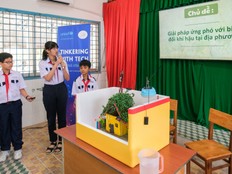
Water Level Warning House Using micro:bit
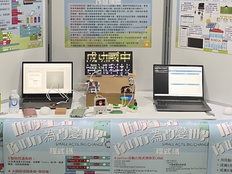
A smart campus solution integrating AI and IoT to drive behavioral change and achieve sustainable, net-zero living.
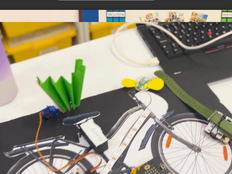
A smart cycle that saves energy.
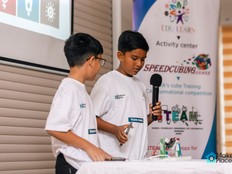
This project uses micro:bit to track the sun's movement and ensure optimal solar panel orientation.
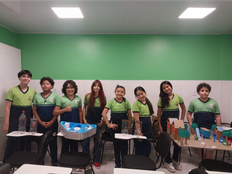
Challenges related to climate change.Strategies for problem-solving.
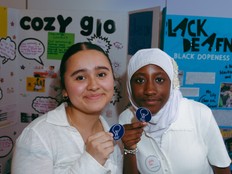
An adhesive add-on for cochlear implants that relieves discomfort for audibly impaired individuals who wear glasses. Featuring an integrated reading light, the solution provides comfort and accessibility in one easy-to-apply design. Winner of Demo Day NYC’s Needfinder Award!
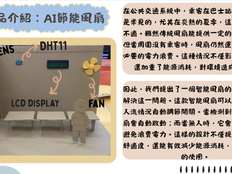
The micro:bit AI smart fan can automatically adjust its switch based on the surrounding human traffic conditions.
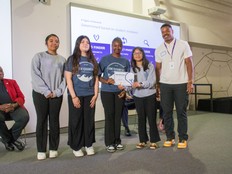
An aluminum flood barrier system that protects the perimeter of personal property in response to Hurricane Harvey.
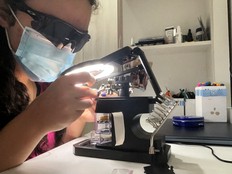
An app to help those with sleep apnea that uses sensors including micro:bit to monitor vital signs and breathing during sleep and provides a real time emergency response if the user stops breathing.
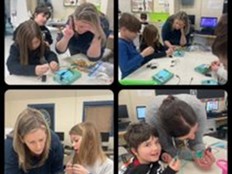
Digital and literacy activity, bringing to life the book "How to Catch A Dragon"
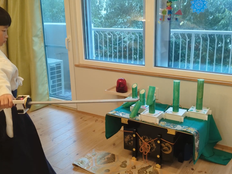
This project utilizes two micro:bits to create a sword cutting game.
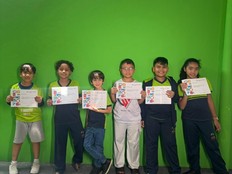
A proposal that unites play and technology through the digital reinterpretation of traditional games with the micro:bit, encouraging computational thinking, creativity, and playful learning.
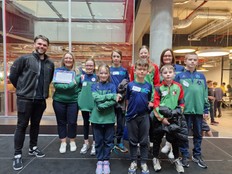
The Buddy:bit uses micro:bit to enable people to ask for help discreetly.
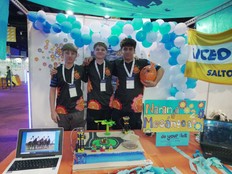
This project uses a micro:bit to monitor water levels and mitigate flood risks.
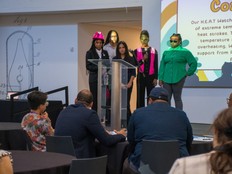
Inspired by oil refinery workers facing dangerous, high-heat conditions, they developed a wristband radio with sensors that alert when the wearer is overheating. They’re now expanding their focus to include elderly individuals in their community who are at risk of heat stroke.
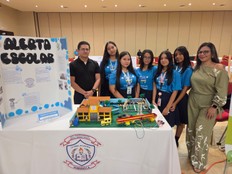
A School Alert System in case of floods.
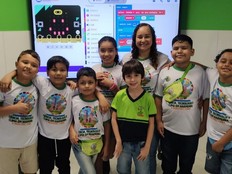
Technology that cares and connects with nature. Learn, code, and cultivate the future.
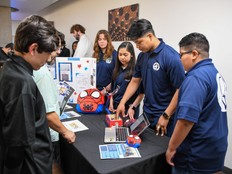
A motorized tool designed to help individuals with Spinal Muscular Atrophy (SMA) pick up objects with greater ease. Inspired by a peer’s needs, the device can bend and rotate to provide added reach and independence in daily tasks.
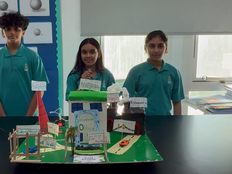
Subcellular structures transformed into a Real, Live City.
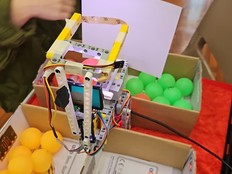
An AI machine that automatically identify fruit quality → classify → stratified sales → reduce labor costs, increase income.
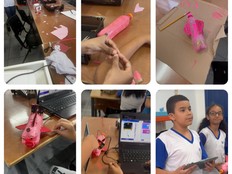
BotSona is a robot inspired by the legend of the Pink River Dolphin that protects marine life from the loud sounds of ships. It uses sensors and the micro:bit board to detect noises in the ocean and send alerts to navigators, helping to preserve the sound balance of the seas.
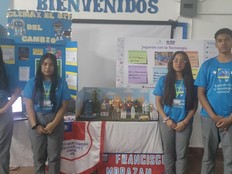
Protecting the community with a micro:bit alert system.
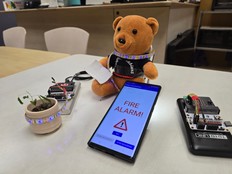
Wish to Hear the Sound is a micro:bit project that translates sound into vibration and light to improve quality of life for the hard of hearing.
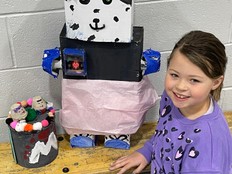
Students designed and built a robot friend with moving parts.
An adhesive add-on for cochlear implants that relieves discomfort for audibly impaired individuals who wear glasses. Featuring an integrated reading light, the solution provides comfort and accessibility in one easy-to-apply design. Winner of Demo Day NYC’s Needfinder Award!
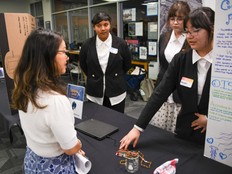
A smart drinkware cup that changes color to detect if a drink has been spiked, lighting up red for tampered drinks and green for safe ones. Inspired by their passion to prevent human trafficking and assault, the invention offers a simple yet powerful tool for personal safety while drinking.
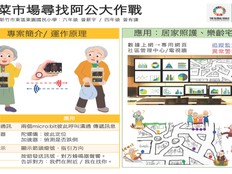
This project utilizes two micro:bits to detect relative location and play music to aid in locating a person who has wandered off.
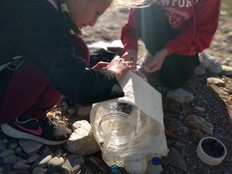
Monitoring air temperature changes at sea level.
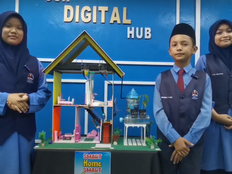
This micro:bit project prototype uses light detection to conserve electricity and collects rainwater for a hydroponic smart garden.
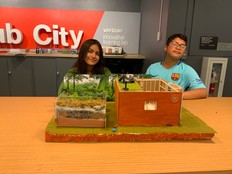
This project uses micro:bits to simulate wind power, control lights, and monitor humidity in an evapotranspiration toilet.
An app for guiding dyslexic learners using AI and micro:bit to adapt materials and help students learn numbers through hands-on, interactive activities.
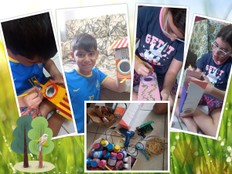
This project utilizes the micro:bit to attract birds to birdhouses by playing birdsongs.
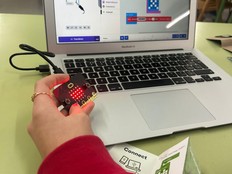
Butterfly is an app that helps people with autism communicate using AI and micro:bit to express emotions and learn.
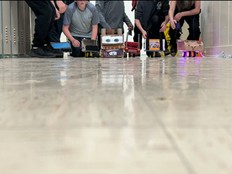
This project utilized the skills learned using the Bboards and micro:Bits to now create working Race Cars out of shoe boxes. These were then coded to move based on another Bboard and micro:bit radio signaling to it to go.
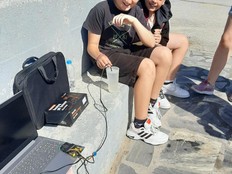
A micro:bit project that measures pH and temperature levels of sea water.
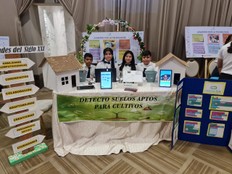
This project uses the micro:bit to measure air quality.
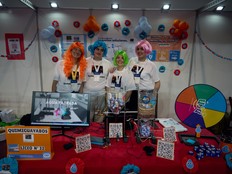
This project uses a micro:bit to take in sea water from the beach and turn it into potable water for the community to use.
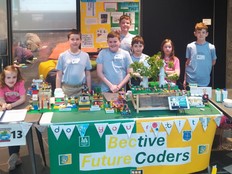
A micro:bit supported hydroponics system.
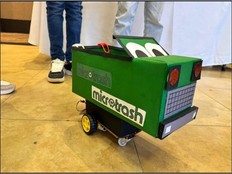
A mobile trash can to learn the habit of depositing trash in its place in a fun way.
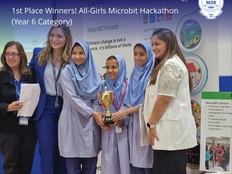
Smart faucet helps save water and inculcate proper hand washing habit.

This bracelet helps children, especially girls, check their heart rate and emotional state.
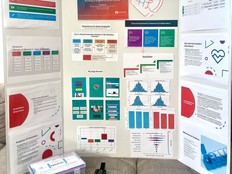
Healthy Littles is an interactive platform that empowers kids to build lifelong habits through fun games, challenges, and personalized feedback based on their lifestyle data.
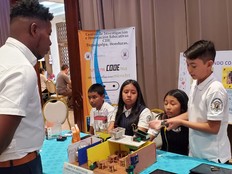
This micro:bit project uses the radio function to send alerts related to student safety at school.
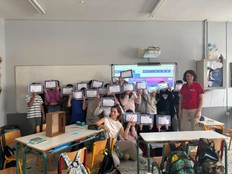
This inclusive project engaged primary school students—including those with special educational needs—in exploring the science of earthquakes through hands-on STEM activities and micro:bit programming. By combining scientific inquiry with creative problem-solving in an accessible and supportive environment, students collaboratively designed and tested earthquake detection and safety solutions, developing both technical skills and social-emotional competencies.
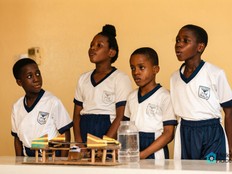
A system to sense rising water levels and mitigate flood risks.
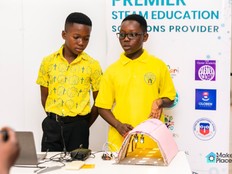
This project monitors tunnels for vehicle motion and activates a light when motion is detected.
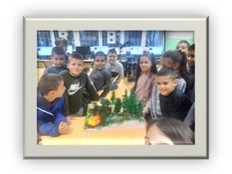
This micro:bit project detects fire and sends a message to the fire department.
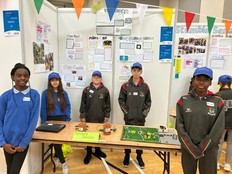
A micro:bit project that detects moisture in the soil.
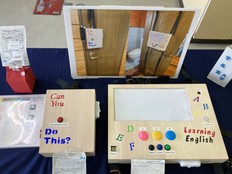
This project utilizes the micro:bit to create a game device which supports English language learning.
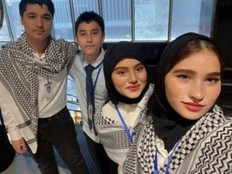
Water is the origin of life, and from the Tigris and Euphrates, the civilization of Iraq was born. However, the land of Mesopotamia today faces significant water challenges.
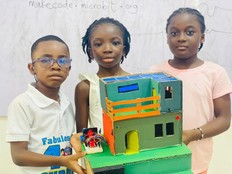
A simple safety device that uses sensors and MicroPython to protect families through early warnings and real time alerts.
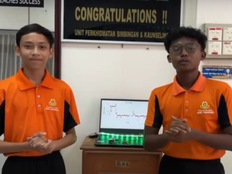
This project uses a micro:bit to detect dust particles in the air and alert residents to dangerous levels of dust.
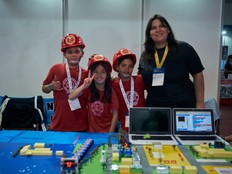
This project uses the micro:bit to create an alert system that measures humidity and water depth levels near the riverbank.
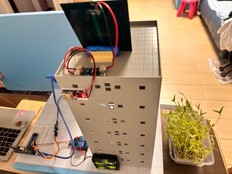
A system that collects condensed water and rainwater to solve water resource shortages and conserve Earth's resources.
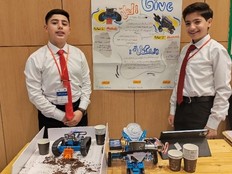
The "Flow and Give" project is an environmental and health initiative aimed at addressing two main problems: pollution resulting from plastic cups, and lack of hygiene in the beverage distribution process. This innovative system was designed using two robots to reduce plastic waste and enhance public hygiene at major events.
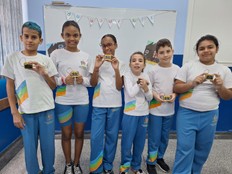
The Sensory Helper uses the micro:bit to help children with auditory hypersensitivity.
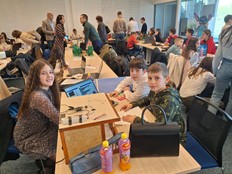
A micro:bit project that turns on a light when a door is opened.
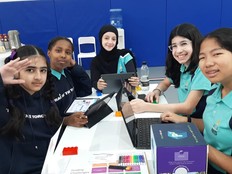
Students create fun, interactive music by connecting fruits to micro:bits as touch sensors, turning each fruit into a musical note. This hands-on project teaches coding, conductivity, and creativity through a playful exploration of sound and technology.
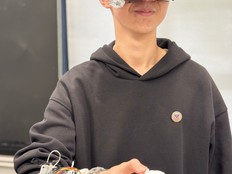
Committed to promoting educational equality through innovative technology, with a special focus on using micro:bit to create low-cost safety solutions.
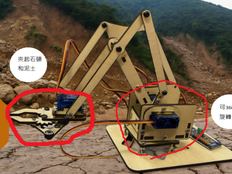
An agile, vehicle-mounted robotic solution engineered for rapid disaster relief and search-and-rescue in hazardous environments
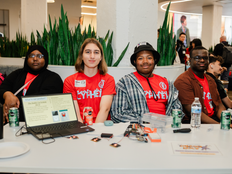
Created by Team Cypher, the Buddy Up System is a device that uses technology to connect individuals—especially those with social challenges—through random pairings and fun icebreaker prompts. By shaking the device, users activate a match via shared colors or numbers and receive a randomized question to spark conversation and build confidence.
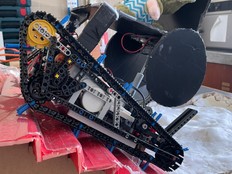
TrailBlazer is a foldable and versatile mobility device designed to empower individuals with disabilities to engage with the outdoors more confidently.
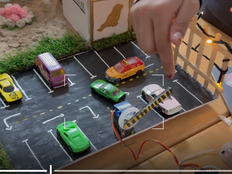
An eco-friendly mosque with a sustainable features.
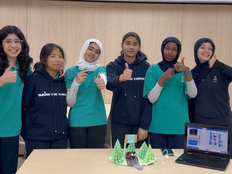
A solar powered car that saves energy and reduces emissions.
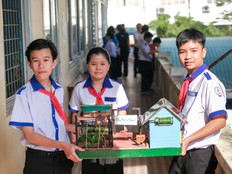
Our project helped us learn more about the micro:bit board. We also learned how to work well together as a team. At the same time, we hope to help save electricity and protect the environment.
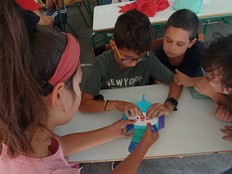
A project that represents the emotions of various sea animals using the micro:bit
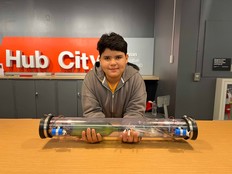
A micro:bit powered project that aims to recover small objects and assist in monitoring endangered marine life
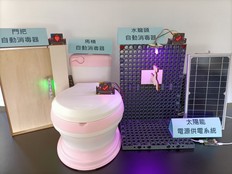
A project that uses a micro:bit to sense and control UV light to disinfect restrooms.
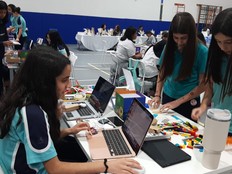
Using soli moisture sensors to detect dry soils and potential for fires.
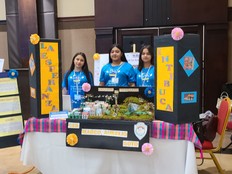
Fire Hunter is a project that provides early warning about forest fires using temperature, sound, and Micro:bit radio sensors.
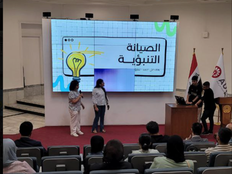
A micro:bit project that predicts equipment failures and schedule maintenance proactively, reducing costs and downtime.
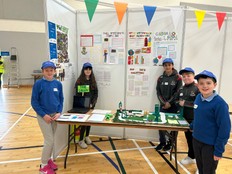
A project that utilizes the micro:bit as a step counter to improve student health.
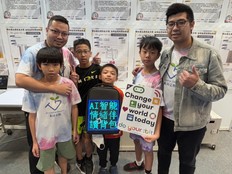
A smart, AI-powered companion backpack designed to support children’s emotional well-being and foster organized learning habits through interactive technology.
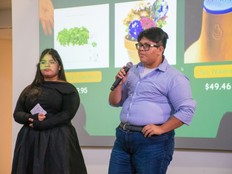
An indoor micro garden that features accurate soil moisture readings, automated watering, and real-time alerts to ensure optimal plant care. The invention encourages environmental awareness and helps users stay connected to nature through hands-on, sustainable gardening.
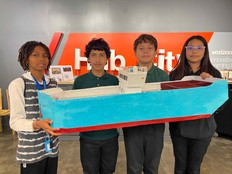
This project utilizes micro:bits to power propellers, simulated radar, navigation lights and and aquaponics system.
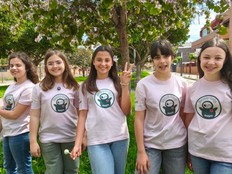
Helpie is a companion robot specially designed for hospitalized children. Its main function is to reduce the stress and anxiety that hospitals produce through stories, songs, and fun visuals.
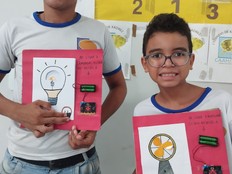
A simple and educational system that uses Micro :bit to raise awareness about the conscious consumption of electricity and promote sustainable habits.
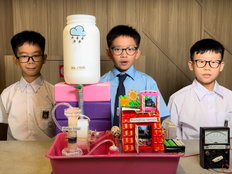
A micro:bit project aimed at storing rain and solar generated power while also alerting residents to possible problems within the home.
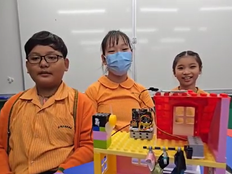
A project that uses the micro:bit to detect humidity and will turn on a fan for drying clothes automatically.
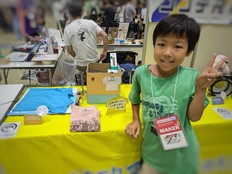
This project uses three micro:bits to coordinate a motor for folding laundry and dispensing coins.
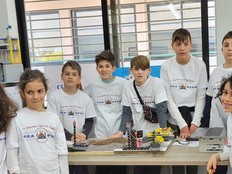
This project uses the micro:bit tho detect volcanic activity and send data to a research team.
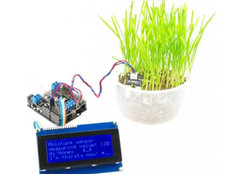
A smart soil moisture sensor designed to conserve water by detecting optimal moisture levels for different types of plants like grass, trees, fruits, and vegetables—and automatically shutting off sprinklers when no more water is needed. Winner of Demo Day LA’s Niagara Cares Sustainability Award!
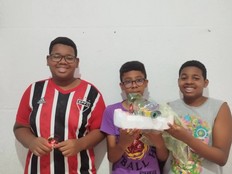
This project uses the micro:bit radio frequency feature to create a robot that monitors waste.
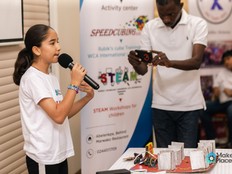
This project uses micro:bit to help detect and avoid possible discrimination.
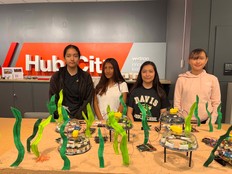
This project utilizes micro:bits to control humidity on a regenerative farm.
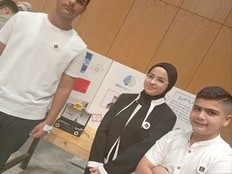
An interactive innovation that measures your movement and voice to reveal your psychological state and displays it in colors or symbols. It will be your study partner for a journey of psychological balance and enhancing your daily energy and health through readable instructions.
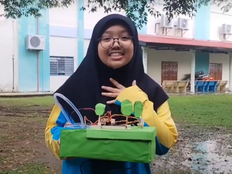
This project utilizes the micro:bit to sense water temperature and level to activate a pump to drain water into a catchment area.
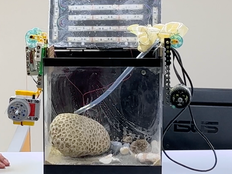
This project uses a micro:bit to sense light intensity and deploy a shade to cover coral.
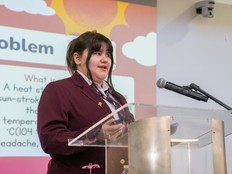
A wearable watch that tracks the user's body temperature and alerts them of potential heat stroke risk through sound, notifications, and a simple interface. The device is designed to help users stay safe in high-heat environments by providing early warnings before symptoms escalate.