Our project
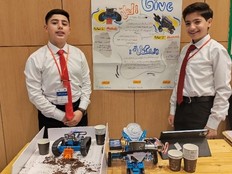
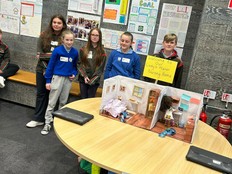
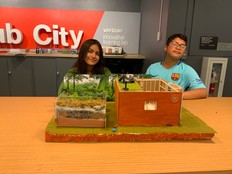
For our class project, we used micro:bits and coding to design a prototype anti-poaching collar that helps protect wildlife. Our aim was to support Global Goal 15.7: End poaching and trafficking of protected species.We learned how technology can be used to monitor animals and detect dangers in their environment. Using sensors on the micro:bit—such as motion, temperature, and GPS modules—we experimented with ways a collar could send alerts if an animal is moving unusually, entering a risky area, or if poachers might be nearby.As a class, we worked collaboratively to share ideas, solve problems, and showcase our learning. We created posters to explain how our design works and even wrote and performed a rap to spread awareness about poaching and highlight the importance of protecting endangered animals.Our project showed how teamwork, creativity, and digital tools can work together to support global conservation efforts.
Our inspiration
One of the inspirations for choosing this project was learning about the threats faced by endangered animals around the world. Stories of elephants, rhinos, and other species being harmed by poaching made the children want to explore how technology could help. The children were inspired by real conservationists who use tracking collars and digital tools to monitor animals and keep them safe.