About this project
Across the world, many children live with disabilities or additional support needs. At the Foundation we are committed to improving access to learning for these children to enable them to create their best digital futures.
Demonstrating their commitment to accessibility, in 2024, Google launched the Blockly Accessibility Fund and the Foundation was delighted to be given funding to work on this two-year project with the partners, Blockly and Microsoft MakeCode, and the wider community, to improve accessibility in block-based coding.
In collaboration with our partners, this project has allowed us to make significant improvements.
Visit our accessibility section to browse keyboard navigation and screen reader resources which have been created as part of this project.
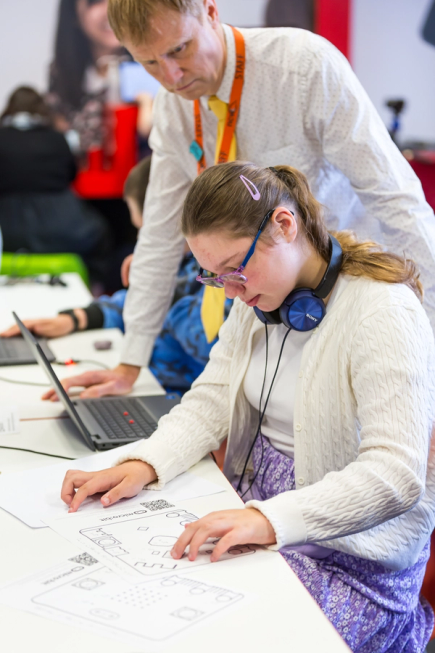
Screen reader capability for block-based coding is here!
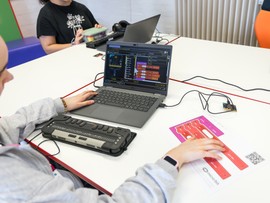
The launch of screen reader support in MakeCode gives children who rely on screen readers and/or refreshable braille displays access to block-based coding in MakeCode for the first time.
From July 2026, MakeCode for micro:bit now enables children to access block-based coding for the first time using a screen reader by navigating using keyboard navigation or an assistive device.
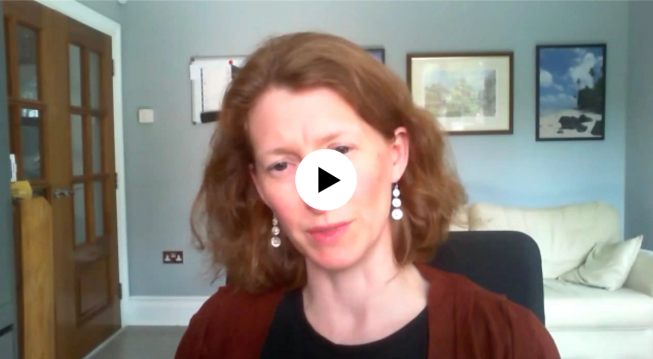
Hear about the experiences of screen reader capability in MakeCode from user test participants from both the UK and USA.
Find out more in our article: Screen reader support launches in Microsoft MakeCode for BBC micro:bit.
Watch Accessibility with the micro:bit and MakeCode webinar, presented by Lucy Gill, Head of Product at the Foundation. It offers a general overview of accessibility with the micro:bit as well as an introduction to screen reader capability in MakeCode.
Visit Microsoft MakeCode accessibility support for getting started resources.
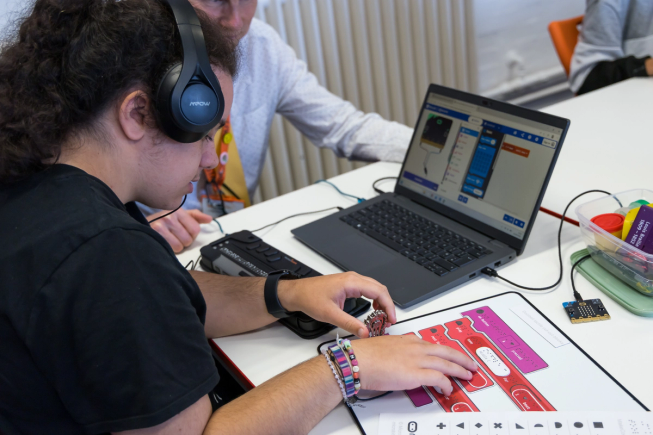
Keyboard navigation for block-based coding
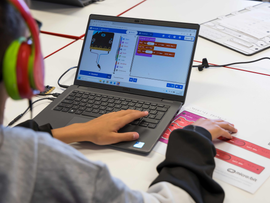
The first year of the program focused on adding keyboard navigation to MakeCode for micro:bit. This laid the ground work for screen reader support and enabled users with fine motor control challenges who use a keyboard or assistive device to use block-based coding. Keyboard controls became an optional setting in July 2025.
In July 2026, keyboard controls are always on and available to all users.
Find out more in our article: Launching keyboard navigation in block-based coding.
Working in partnership
The Micro:bit Educational Foundation's partnership with Blockly and Microsoft MakeCode has been critical to this project. Each partner has provided significant effort and enthusiasm on an ongoing basis for which we are extremely grateful.
Award winning team
Blockly Summit Awards
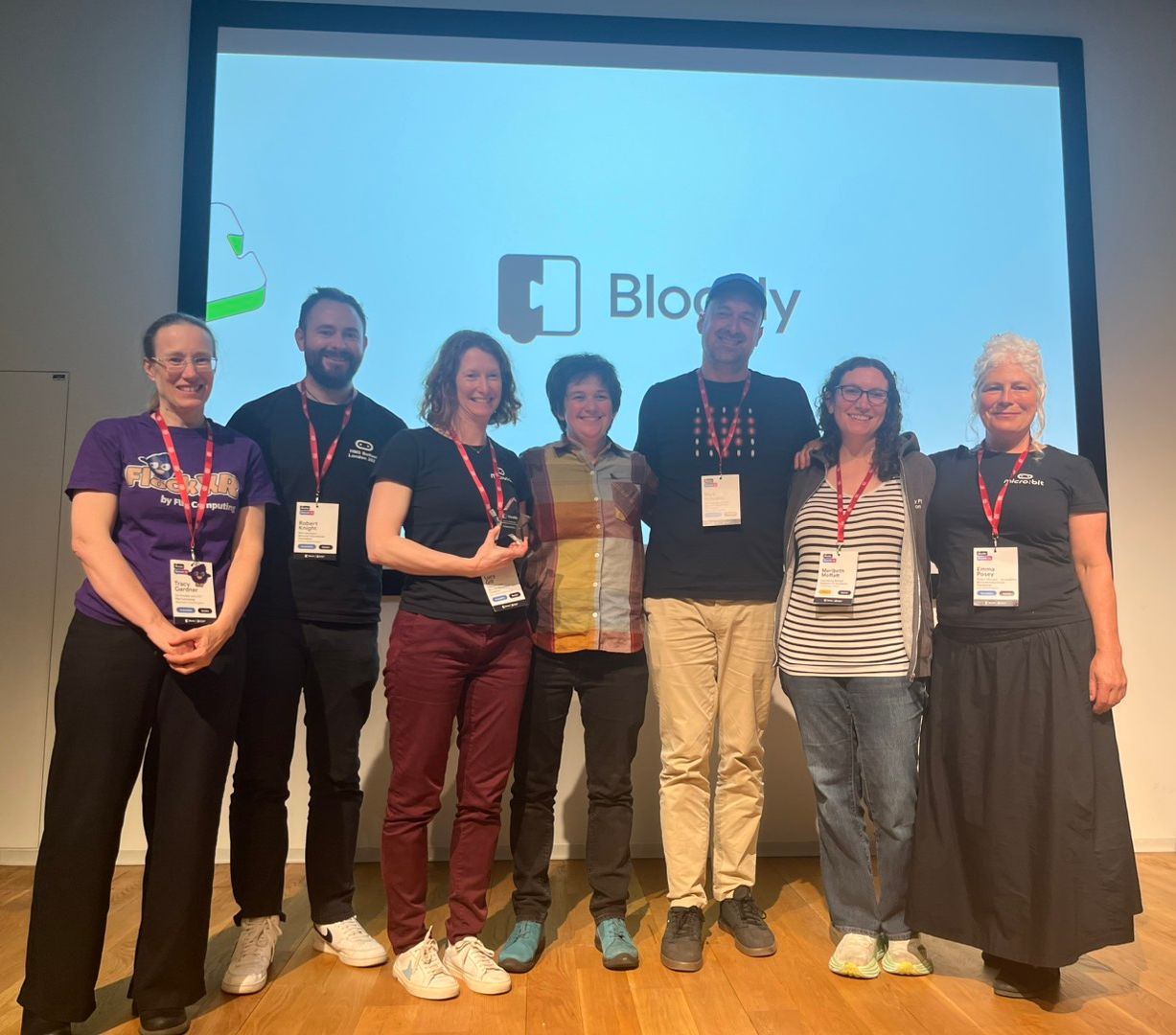
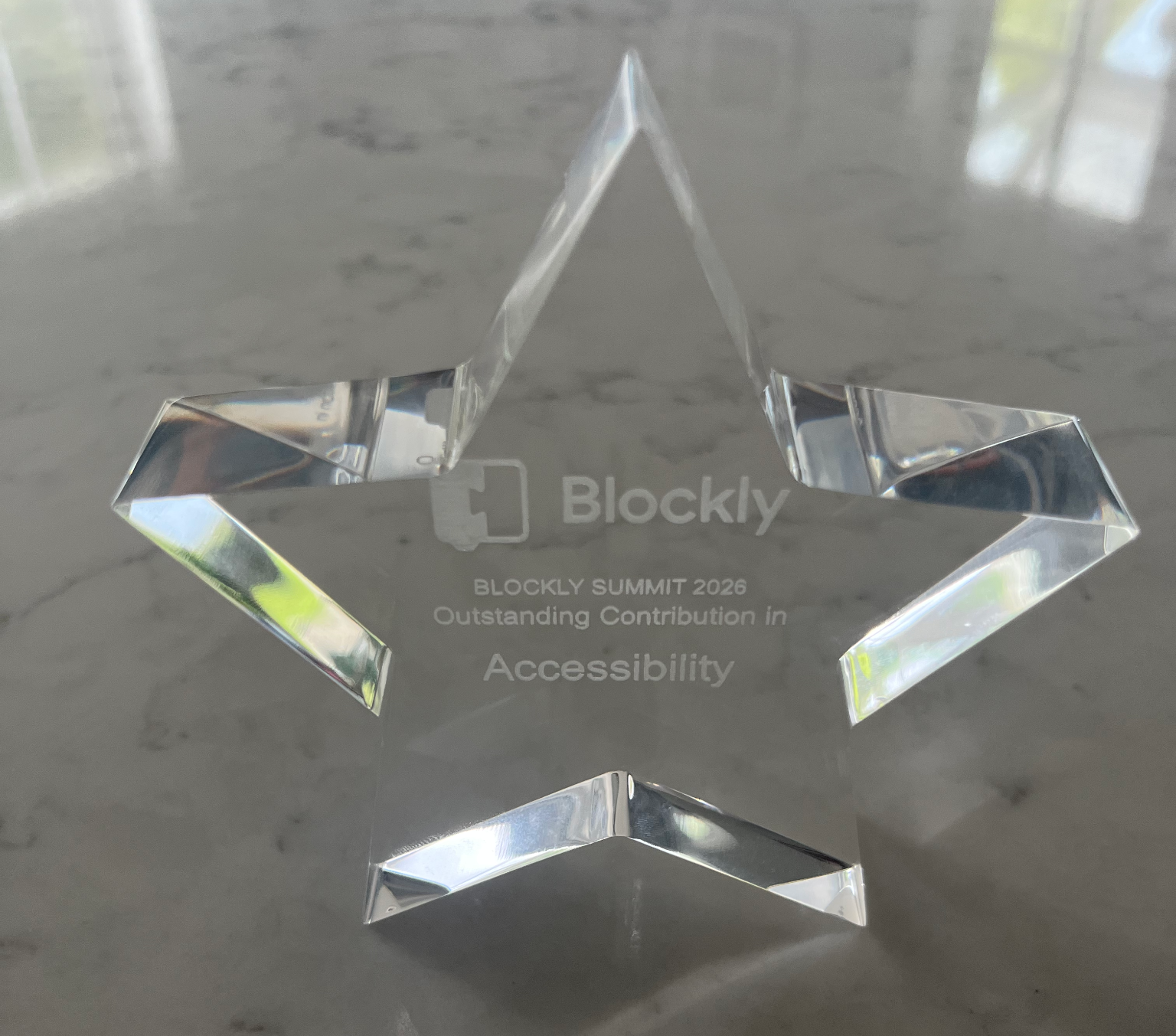
In both 2025 and 2026 we were proud recipients of awards at the Blockly summit in recognition of our work on this project and its contribution to accessibility in computing education. In 2025, we won the partnership award and in 2026, we won the accessibility prize.
Inclusive Education Award finalists
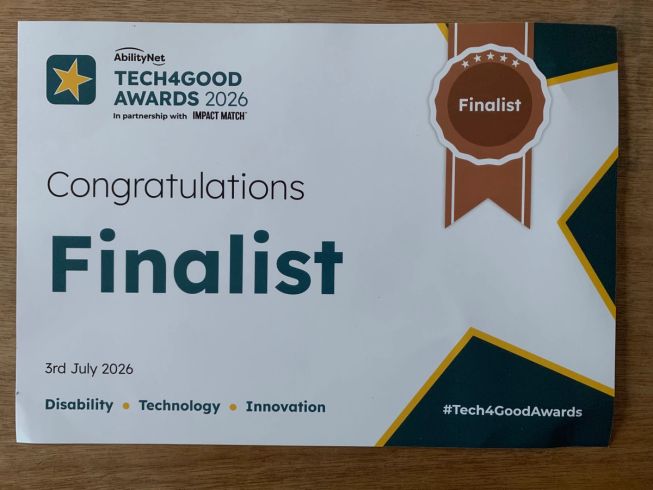
The Micro:bit Educational Foundation was nominated as a finalist in the Inclusive Education category at the AbilityNet Tech4Good Awards 2026, in partnership with ImpactMatch.
Being recognised among the UK's leading technology-for-good initiatives is a real honour. It reflects the incredible work of educators, partners and supporters around the world who are helping more young people access meaningful opportunities to learn, create and thrive with technology.
With thanks to the whole community
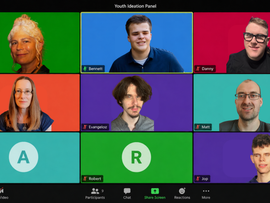
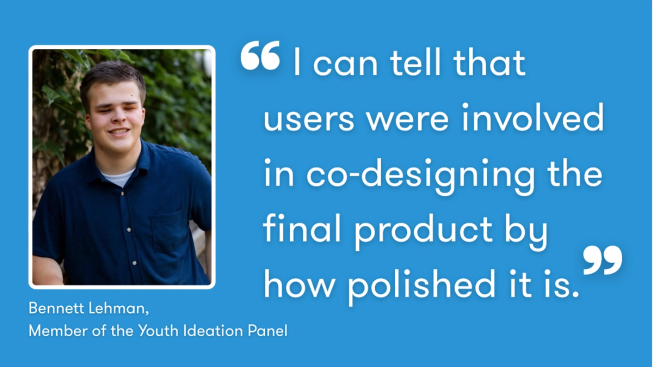
Multiple rounds of user testing and co-creating with our Youth Ideation Panel has been essential to the success of this project. We are grateful to the students, teachers and experts involved in the UK, Netherlands and the USA and to our wonderful Youth Ideation Panel, made up of young people who are blind or have low vision. You can read more about this – Co-creating accessible coding experiences with young people.
Translate MakeCode and the resources
We are looking for volunteers to translate the new content created in this project so that more learners who have fine motor challenges and those who are blind or have low vision can benefit across the world. To get involved go to microbit.org/translate.
Join our research community
To find out more about Foundation research activities, and get involved, join our research community.
Coming soon: Don’t miss our survey launching in autumn 2026 to help us evaluate the impact of our accessibility work.
Provide feedback on accessibility in MakeCode
We would love to hear what you think about accessibility in Microsoft MakeCode for the micro:bit and related resources. Please share your feedback by completing this simple form.
Or you can share feedback or get in touch about anything accessibility related using our dedicated email address: accessibility@microbit.org.